
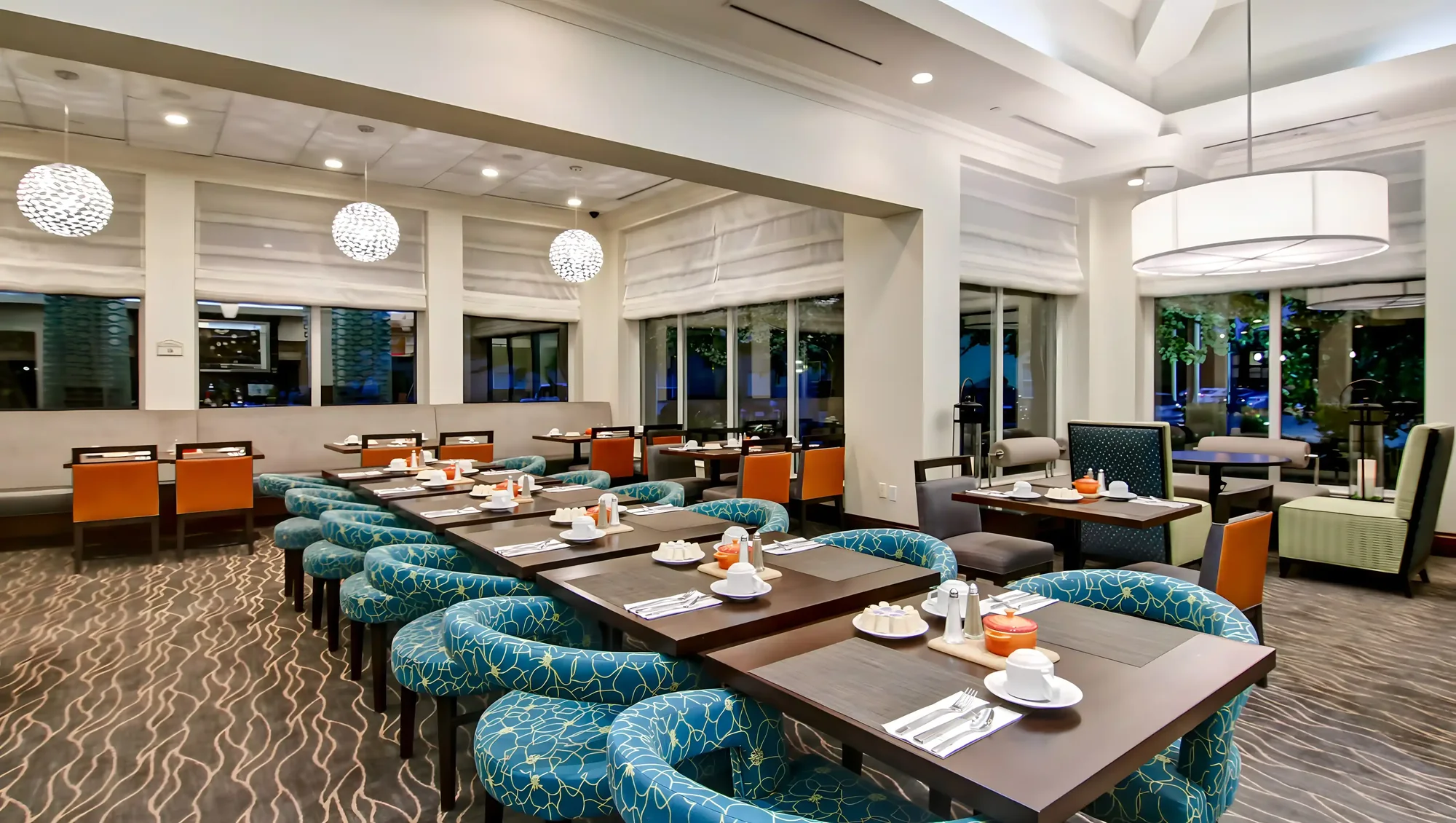
Restaurant Tenant Improvement, Los Angeles
The space had been retail, so the change of occupancy triggered accessibility path-of-travel upgrades, and the shell had no route for kitchen exhaust.
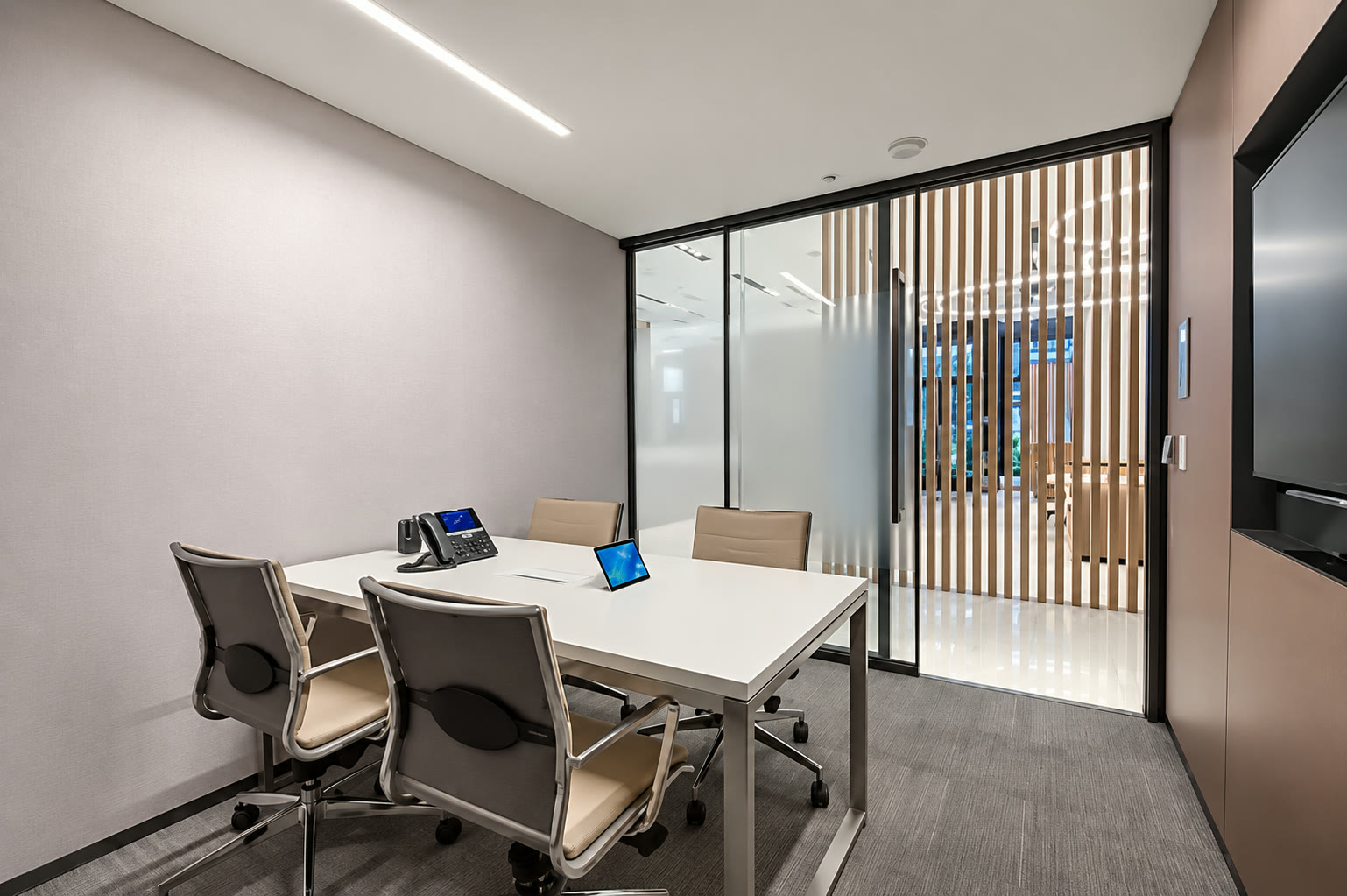
Commercial and development
Tenant improvement work is won or lost before construction starts: in the lease, the work letter and the occupancy classification. We review those first, then design, permit and build to a line-item budget you can hold your landlord to. As a licensed tenant improvement contractor as well as the designer, one contractor carries the drawings, the permit and the build.
Work letter, delivery condition and cost responsibility mapped before you sign.
Occupancy, accessibility and code triggers identified early.
Building, fire and health department sequencing managed together.
Phased, off-hours where required, with weekly cost and schedule reporting.
The space had been retail, so the change of occupancy triggered accessibility path-of-travel upgrades, and the shell had no route for kitchen exhaust.
Light office refresh work often runs $60 to $120 per square foot, full office build-outs $120 to $250, and restaurant build-outs considerably more once kitchen infrastructure, grease interceptors and mechanical exhaust are included. Base building condition drives most of the spread.
That is decided by the work letter and the tenant improvement allowance in your lease. We review both before signing, because clauses that quietly move code-triggered upgrades to the tenant are common.
Often yes. California triggers path-of-travel upgrades once the work value passes a threshold, and change of occupancy triggers more. Identifying this during feasibility avoids a mid-permit budget shock.