
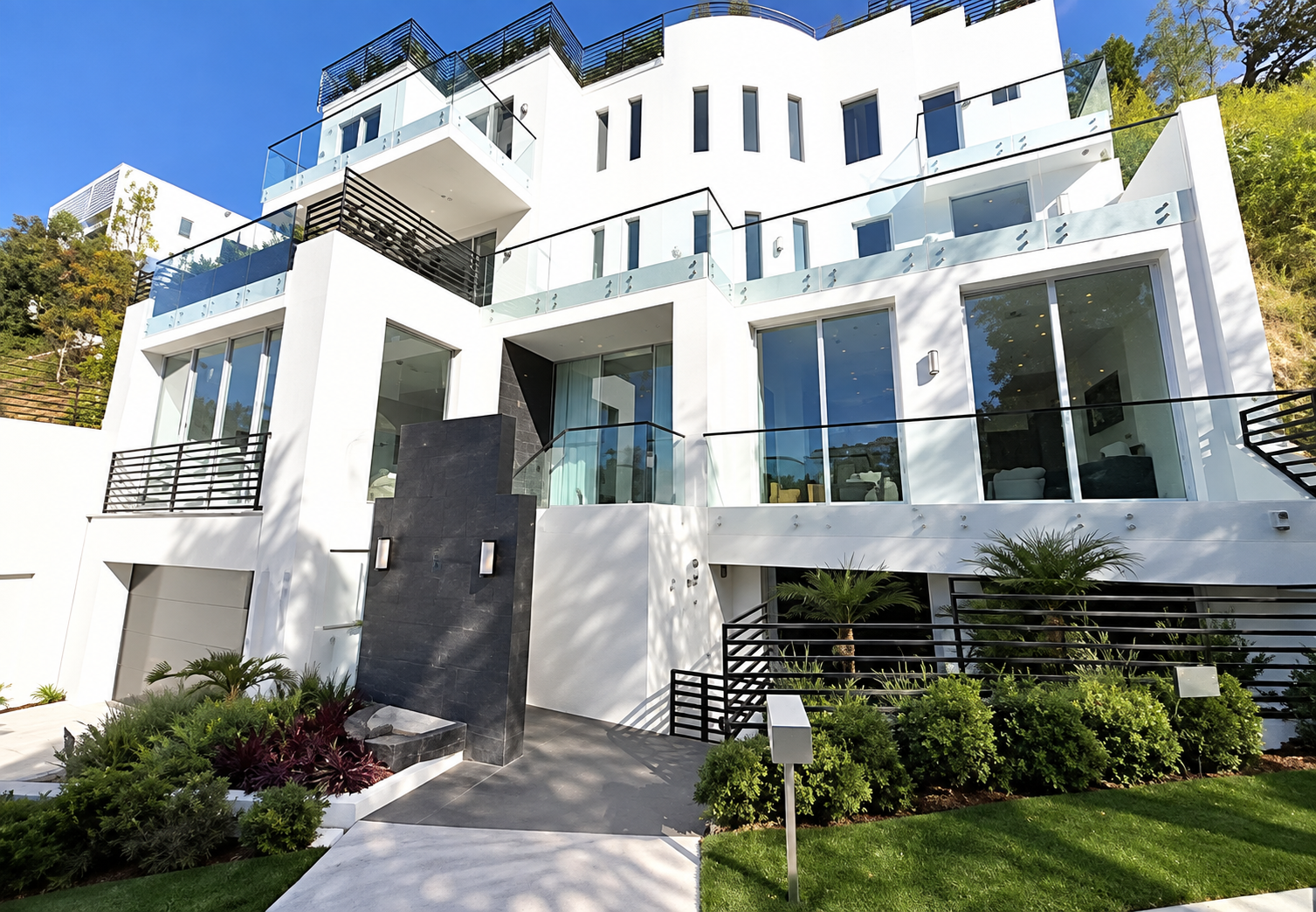
Commercial and development
Development Feasibility Studies for Southern California Sites
A development feasibility study answers the only four questions that matter before money is committed: what does the zoning actually allow, how many units will realistically fit, what will it cost to build and approve, and how long will the approval route take. We produce that in writing, with construction cost built from how these buildings are actually delivered rather than a per-square-foot guess. We look at sites before you buy them, and we say plainly when the numbers on a site do not work.
What this covers
- Zoning and code capacity review
- Density and yield testing
- Buildable area and site constraints
- Order-of-magnitude construction cost
- Approval route and schedule
- Go / no-go recommendation
How we run it
- 01
Site and title review
Zoning, overlays, easements, access and utility capacity.
- 02
Yield testing
Massing options tested against setbacks, height, parking and open space.
- 03
Cost and schedule
Construction range, soft costs, fees and a realistic approval timeline.
- 04
Recommendation
A written go, no-go, or conditional path with the risks named.
Questions people ask before hiring
What is included in a development feasibility study?
Zoning and code capacity, buildable area after setbacks and easements, tested unit yield, an order-of-magnitude construction cost range, soft costs and fees, the approval route with a realistic schedule, and a written recommendation with the principal risks identified.
When should a feasibility study happen?
Before land purchase closes, or before design fees are committed on land already owned. It is the cheapest point at which a project can be stopped or changed.
Does a feasibility study lead into design?
It often does, and that is the point. The study produces the program, budget and approval strategy that design, permitting, preconstruction and construction then follow. It is also a standalone deliverable you can take to a lender, partner or another team.