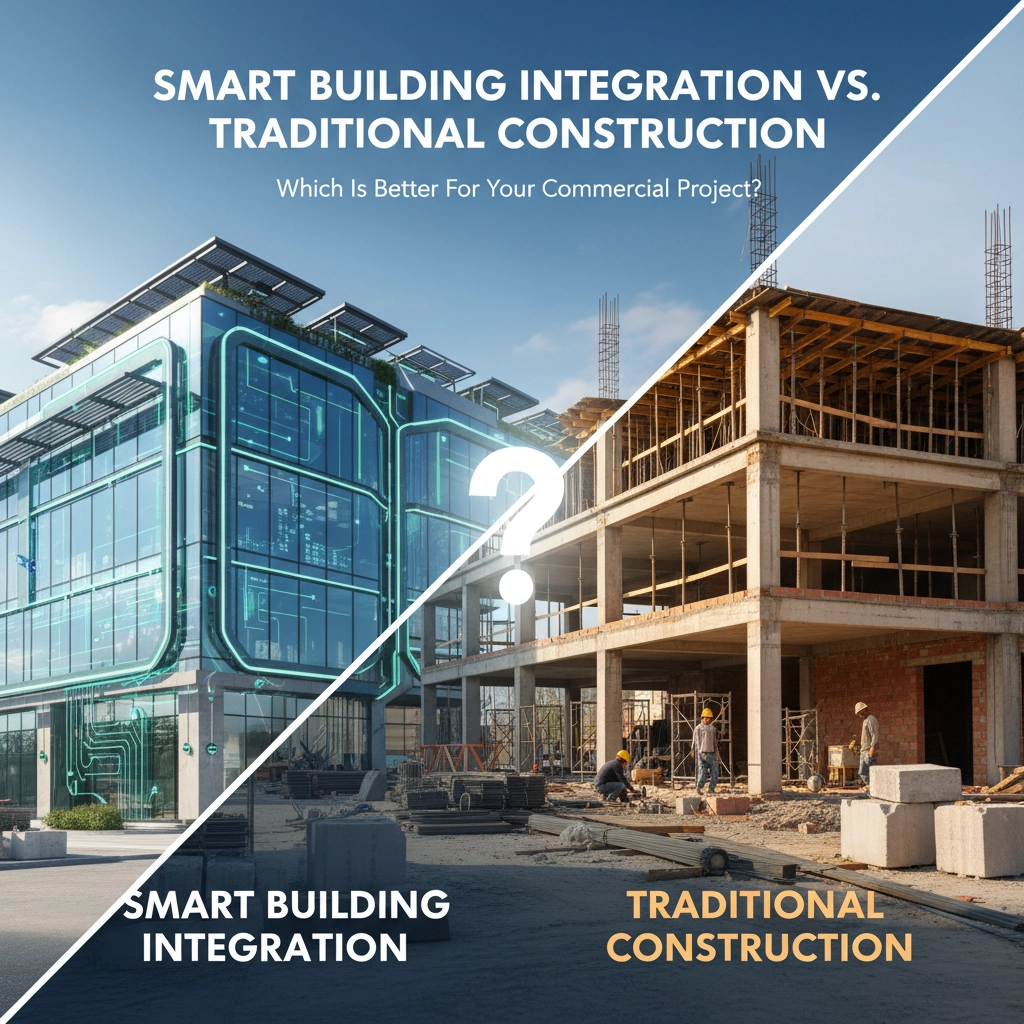

The commercial construction landscape is experiencing a breathtaking transformation. As we stand at the crossroads of tradition and innovation, developers face a mesmerizing choice: embrace the cutting-edge world of smart building integration or trust the time-tested reliability of traditional construction methods. This decision isn’t just about bricks and mortar: it’s about crafting spaces that will define the future of commercial real estate.
At PlantekWest, we’ve witnessed firsthand how this choice shapes not only the construction process but the entire lifecycle of commercial properties. Let’s embark on a journey to explore these two distinct approaches and discover which path aligns with your project’s unique vision.
The Enthralling World of Smart Building Integration
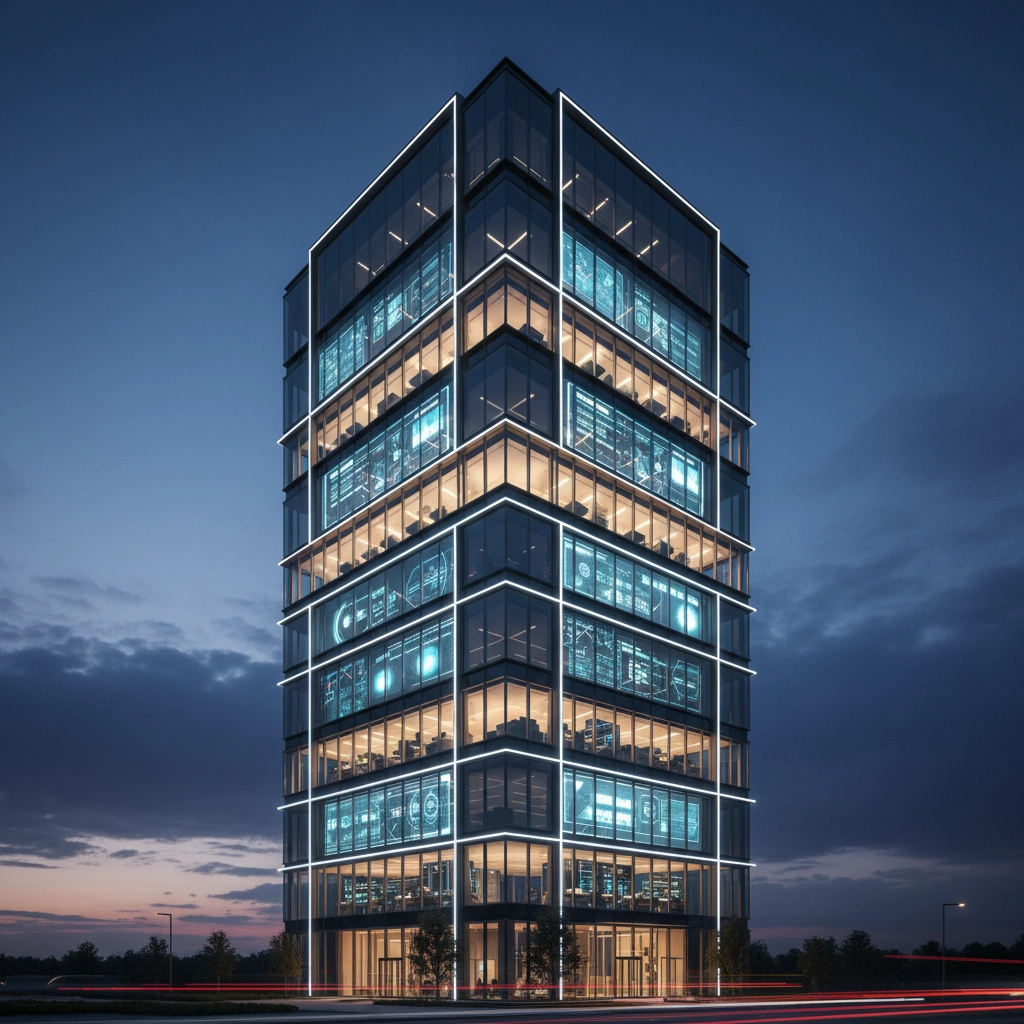
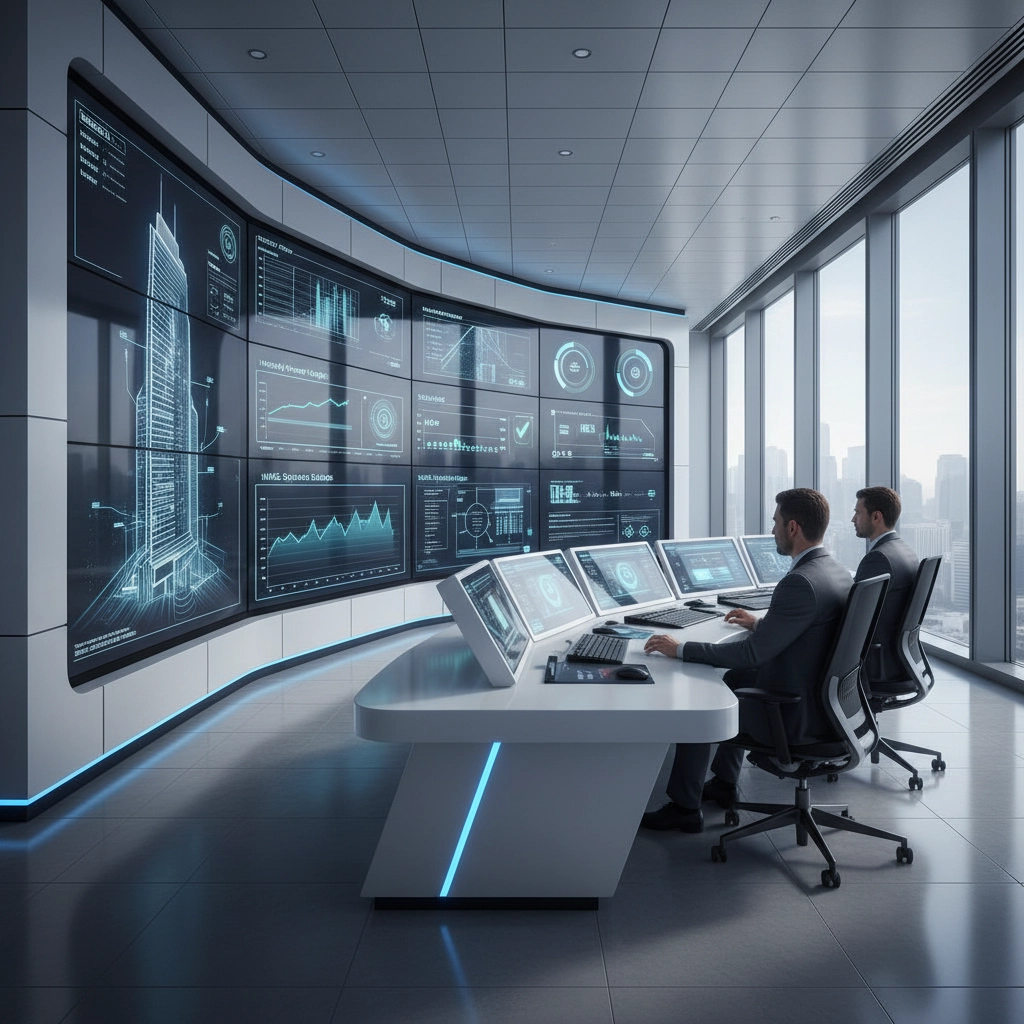
Smart building integration represents nothing short of a architectural revolution, where artificial intelligence meets sophisticated craftsmanship to create living, breathing commercial spaces. These technological marvels orchestrate every aspect of a building’s operation through interconnected systems that communicate, learn, and adapt in real-time.
Operational Excellence That Takes Your Breath Away
The efficiency gains delivered by smart building systems are truly spectacular. Advanced analytics and automation can improve building performance by up to 45%, while energy management systems achieve savings of up to 50% compared to their traditional counterparts. Imagine a commercial space that intuitively adjusts its lighting based on natural daylight patterns, optimizes HVAC systems according to occupancy levels, and manages security protocols with seamless precision.
This isn’t mere automation: it’s intelligent orchestration. Smart platforms create a symphony of coordinated systems where HVAC, lighting, security, and energy management work in perfect harmony. Occupancy sensors trigger cascading adjustments throughout the building, creating environments that respond to human presence like a perfectly choreographed dance.
Predictive Maintenance: The Crystal Ball of Commercial Real Estate
Perhaps the most enthralling aspect of smart building integration is its predictive capabilities. Advanced AI algorithms continuously monitor system health, identifying potential issues before they manifest into costly failures. This proactive approach transforms maintenance from a reactive scramble into a strategic advantage, reducing unexpected downtime and creating substantial long-term savings.
The scalability of smart systems offers breathtaking possibilities for future expansion. As new technologies emerge, these buildings effortlessly integrate cutting-edge innovations, ensuring your investment remains at the forefront of commercial real estate evolution. Properties equipped with smart systems consistently command higher rental rates and property values, making them not just operational assets but lucrative investments.
The Timeless Artistry of Traditional Construction
Traditional construction methods embody the soul of architectural craftsmanship: a testament to human ingenuity and the artisan’s touch. This approach celebrates the meticulous on-site assembly of raw materials, where every element is carefully positioned by skilled craftspeople who understand the intimate relationship between form and function.
Flexibility That Inspires Creative Freedom
The sculptural beauty of traditional construction lies in its remarkable adaptability. Real-time modifications flow naturally throughout the construction process, allowing projects to evolve organically as vision meets reality. This flexibility proves invaluable when tenant requirements shift, architectural details demand refinement, or unexpected opportunities for enhancement present themselves.
For projects requiring intricate craftsmanship: boutique hotels with hand-carved details, luxury office spaces with custom millwork, or heritage building restorations demanding authentic materials: traditional construction offers unparalleled artistic freedom. The human touch creates architectural details that simply cannot be replicated through automated processes.
The Mastery of Customization
Traditional construction excels in projects where uniqueness defines value. Each element can be tailored to exact specifications, creating bespoke commercial spaces that reflect their occupants’ distinct character. This approach proves particularly powerful for smaller-scale developments where the investment in smart infrastructure might not yield proportional returns.
The craftsmanship inherent in traditional methods produces architectural elements with soul and character: exposed brick walls that tell stories, hand-finished concrete surfaces with subtle variations, and custom metalwork that becomes sculptural art. These details create commercial spaces with personality and warmth that tenants find irresistibly appealing.
A Masterful Comparison: Two Paths to Excellence
The choice between smart building integration and traditional construction reveals itself through careful analysis of key performance dimensions:

Efficiency and Performance: Smart buildings deliver measurable operational advantages through data-driven optimization, while traditional buildings rely on manual oversight and fixed operational schedules. The difference in energy consumption alone can represent substantial long-term savings for smart systems.
Time and Construction Speed: Smart building integration often incorporates modular construction techniques that can reduce build times by 30-50% through parallel workflows. Traditional construction follows linear processes that, while thorough, require significantly more time to completion.
Maintenance Philosophy: Smart systems embrace predictive maintenance, identifying issues before they impact operations. Traditional buildings rely on reactive approaches, addressing problems after they occur. This fundamental difference shapes both operational costs and tenant satisfaction over time.
Future Adaptability: Smart buildings seamlessly integrate new technologies as they emerge, while traditional buildings require significant infrastructure investments to accommodate technological upgrades. This scalability factor becomes increasingly important in our rapidly evolving commercial landscape.
Investment Profile: Smart buildings demand higher upfront investments but deliver substantial long-term savings through operational efficiency. Traditional construction offers lower initial costs but may miss opportunities for ongoing operational optimization.
Crafting Your Perfect Commercial Vision
When Smart Building Integration Becomes Your Masterpiece
Choose smart building integration for large-scale commercial developments where operational efficiency directly impacts profitability. Office complexes, mixed-use developments, and corporate campuses benefit enormously from intelligent system coordination. If your project timeline allows for comprehensive planning and your organization prioritizes long-term sustainability, smart integration offers transformative possibilities.
Properties requiring complex operational management: multi-tenant office buildings, hospitality facilities, or healthcare complexes: thrive with smart system coordination. The ability to manage diverse needs through unified platforms creates operational elegance that traditional methods cannot match.
When Traditional Construction Becomes Your Canvas
Traditional construction shines for projects demanding artistic expression and architectural authenticity. Custom commercial spaces, heritage restorations, and boutique developments benefit from the craftsman’s touch that creates truly unique environments. When your project involves intricate design details or requires significant flexibility during construction, traditional methods provide the creative freedom necessary for architectural excellence.
Smaller-scale projects: single-unit retail spaces, standalone offices, or specialized commercial facilities: often find traditional construction more cost-effective, as the smart system investment may not yield proportional benefits for simpler operational requirements.
The Hybrid Approach: Best of Both Worlds
Many of our most successful projects at PlantekWest combine elements from both approaches. Strategic retrofitting of traditional buildings with selective smart systems captures efficiency gains in high-impact areas while preserving architectural character. This balanced approach proves particularly effective for adaptive reuse projects and gradual technology integration.
Your Commercial Future Awaits
The choice between smart building integration and traditional construction ultimately reflects your project’s unique DNA: its scale, purpose, timeline, and long-term vision. Both approaches offer pathways to commercial excellence, each with distinct advantages that serve different project goals.
As you contemplate your commercial project’s future, consider not just the immediate construction process but the entire lifecycle of your investment. Whether you choose the technological sophistication of smart integration or the artisanal mastery of traditional construction, success lies in aligning your approach with your project’s authentic requirements and aspirations.
The future of commercial construction is both thrilling and limitless. We stand ready to help you navigate this exciting landscape and create commercial spaces that exceed your boldest expectations. Your perfect commercial project awaits( let’s build it together.)